The Research Behind Frontline Friends

Frontline Friends was built from lived experience, genuine connection, and a belief that gaming creates the conditions where real support can happen. As it turns out, the research agrees. What we do is backed by over 20 peer-reviewed academic sources from researchers across Australia, the United States, the United Kingdom, and Finland. Here is what the evidence says

Why the Research Backs What We Do

There is a growing body of research that helps explain why gaming works so well as a social support tool. Here is some of what the evidence says.

Cognitive Load

Gaming reduces cognitive overload, giving the brain space to focus on what actually matters: genuine connection with others.

Safe Failure

Safe failure in games builds real frustration tolerance. Losing and trying again is the mechanism, not a side effect.

Shared Interests

75% of autistic adolescents have a special interest in technology or gaming. Shared interests are the foundation of real social connection.

Executive Function

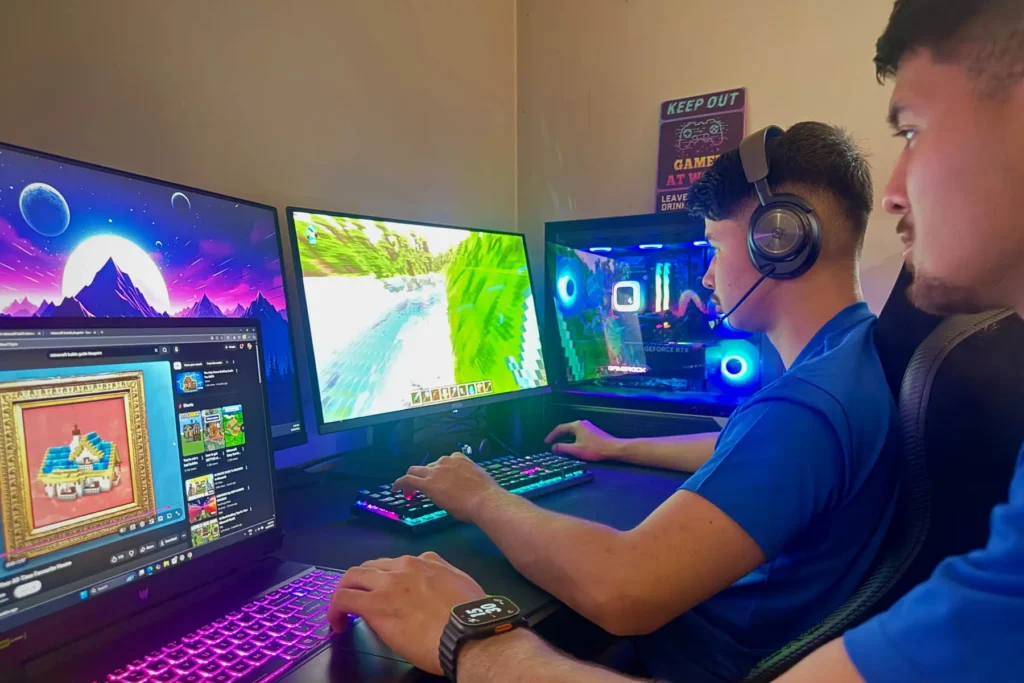
Minecraft is scientifically proven to build executive function, planning, task management, and working memory in people with ADHD.

Loneliness and Connection

Loneliness drives anxiety and depression in autistic adults. Regular structured social contact directly targets its root cause

The Evidence Is Clearer Than You Think

Gaming has a reputation that the research does not support. Study after study shows that structured, interest-based gaming in a supported environment produces real outcomes across social connection, emotional regulation, communication, and confidence. Research shows that people who game regularly are more likely to form genuine friendships, report lower depression, higher self-esteem, and stronger social connections than those who do not. Peer reviewed studies confirm that gaming improves executive function, working memory, and attention in ways that transfer directly to real world tasks. The research is not ambiguous. Context, structure, and community are what determine outcomes. That is exactly what Frontline Friends is built around.”

The Numbers Behind the Research

The Results Speak for Themselves

76% Of participants in a structured gaming-based social skills program improved to age-appropriate social skills. The strongest result ever recorded for an ASD social skills intervention. University of Queensland, 2008.

The Need Is Real

33 to 50% Of autistic adults experience anxiety or depression. Loneliness is identified as the primary driver, not autism itself. Regular, structured social connection directly addresses the root cause.

Gaming Is Not a Random Choice

88% Of autistic adolescents have a circumscribed interest in technology or digital systems. Gaming is not a random activity. It is statistically the most likely shared interest across any autistic group.

Why Frontline Friends Works for the People Who Need It Most

For families who have spent years looking for the right fit, the answer is rarely a bigger program or a more clinical setting. Research consistently shows that neurodivergent young adults connect more naturally in environments built around shared interests, familiar faces, and genuine low pressure social contact. When those conditions are in place, social skills, emotional regulation, and confidence do not need to be taught. They develop on their own. That is the foundation Frontline Friends is built on, and it is what the research keeps confirming.

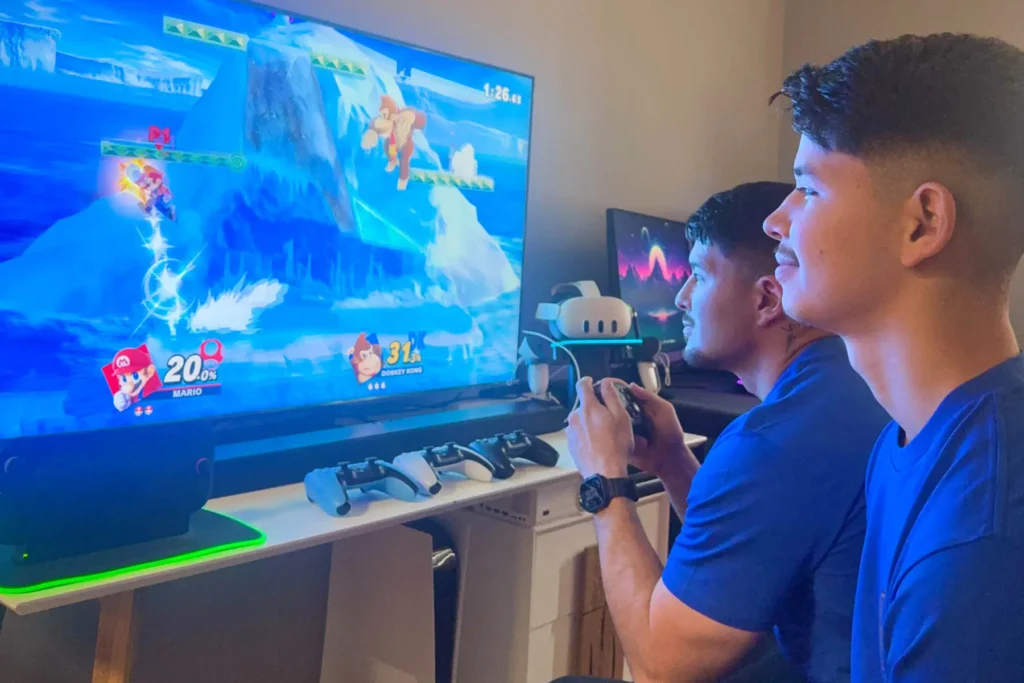
Gaming is not the novelty. It is the mechanism. Peer reviewed studies from the University of Queensland, Northeastern University, Molecular Autism, and the journal Nature all point to the same finding. Structured gaming in a supported environment improves social connection, executive function, communication, and emotional regulation in neurodivergent people. The shared vocabulary, the collaborative goals, and the familiar digital environment lower the social cognitive load to the point where genuine interaction can happen naturally. Participants are not doing social skills exercises. They are just playing games with people who get it.

For support coordinators and allied health professionals, Frontline Friends offers something that is genuinely difficult to find in Western Sydney. A small group NDIS social gaming hub where outcomes are tracked across five domains every single session, where progress notes are written against NDIS goals, and where the model is backed by over 20 peer reviewed academic sources. Every referral is taken seriously, every participant is assessed for suitability before joining, and every session is actively staffed at a one to two ratio. If you have a participant who has not found their place yet, this is worth a conversation.

Frontline Friends is based in Edensor Park and supports NDIS participants aged 16 to 40 across Western Sydney and South West Sydney including Liverpool, Fairfield, Cabramatta, Campbelltown, Parramatta, Blacktown, and surrounding areas. Sessions run four hours, groups are kept intentionally small, and the environment is designed from the ground up to feel calm, welcoming, and genuinely safe. We are plan managed and self managed friendly and are currently in the process of becoming a registered NDIS provider. If you are a family, a support coordinator, or an allied health professional looking for something different, we would love to hear from you.